Bold Culture: A Modern Calligraphy Font for Elegant Design
In the vast landscape of digital typography, finding a typeface that bridges the gap between historical craftsmanship and modern utility is a rare achievement. Bold Culture stands as a testament to this pursuit, offering a stylish, beautiful, and elegant aesthetic that resonates with contemporary design needs. Inspired by the timeless principles of classic calligraphy, this font does more than simply display text; it imbues projects with an atmosphere of sophistication and impeccable form. For designers, business owners, and creative professionals seeking to elevate their visual communication, understanding the nuances of Bold Culture is essential.
The Intersection of Tradition and Contemporary Style
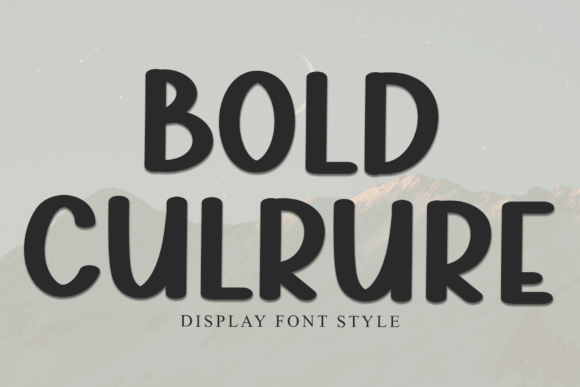
Typography often serves as the silent ambassador of a brand or message. When a viewer encounters a piece of content, the font choice speaks volumes before a single word is read. Bold Culture was designed with a specific intent: to capture the fluidity and grace of hand-lettered scripts while ensuring the structural integrity required for modern applications. Unlike many decorative fonts that sacrifice readability for style, this typeface maintains a balanced and varied structure that enhances the beauty of any project without compromising clarity.
The inspiration drawn from timeless classic calligraphy is evident in every stroke. The curves are not merely algorithmic approximations but reflect the natural rhythm of a pen moving across paper. However, the execution is distinctly modern. The "contemporary atmosphere" mentioned in its design philosophy ensures that Bold Culture feels fresh and relevant in 2024 and beyond. It avoids the dated look of overly ornate Victorian scripts, opting instead for a clean, confident presence that works equally well on a high-resolution billboard or a mobile device screen.
Decoding the PUA Encoding Advantage
One of the most significant technical features that sets Bold Culture apart is its use of Private Use Area (PUA) encoding. For non-technical users, this might sound like jargon, but its practical application is transformative. In standard fonts, accessing special characters, alternate glyphs, or complex ligatures often requires navigating complicated menus or installing additional software. With PUA encoding, Bold Culture allows users to access all of its amazing glyphs and ligatures with ease directly from the keyboard or character map.
This feature empowers creators to unlock the full potential of the typeface. Imagine designing a wedding invitation where you need a unique initial letter that flows seamlessly into the rest of the text, or creating a logo that requires a specific stylistic flourish. Without PUA encoding, these elements might be hidden behind layers of complexity. With Bold Culture, these variations are readily available, encouraging experimentation and allowing for a higher degree of customization. This accessibility means that even those without advanced typographic training can produce professional-grade results.
Practical Applications Across Industries
The versatility of Bold Culture makes it suitable for a wide array of industries. Its elegant form suggests luxury and refinement, making it a natural choice for several key sectors.
- Luxury Branding and Fashion: High-end fashion labels and jewelry brands often rely on script fonts to convey exclusivity. The balanced nature of Bold Culture ensures that logos remain legible even when scaled down for social media icons or embossed on packaging.
- Wedding and Event Stationery: Invitations, menus, and programs require a touch of romance and tradition. The calligraphic roots of this font provide the perfect backdrop for personal details, making guests feel valued and celebrated.
- Culinary Arts: From artisanal coffee shops to fine dining restaurants, menu design plays a crucial role in setting expectations. A font with such an impeccable form can make a simple dish description sound gourmet and inviting.
- Personal Branding: Coaches, consultants, and creatives who want to project an image of approachable elegance can use Bold Culture for headers, signatures, and website accents to distinguish themselves from competitors using generic sans-serif fonts.
Navigating Limitations and Considerations
While Bold Culture offers immense value, it is important to approach its usage with a critical eye. No font is a universal solution, and understanding its limitations is part of effective design. Because the font is rooted in calligraphy, it is best suited for headlines, short phrases, and decorative elements rather than large blocks of body text. Reading long paragraphs in a stylized script can strain the eyes and reduce comprehension speed.
Furthermore, the very features that make the font unique—the intricate ligatures and varied glyphs—require careful attention to kerning and spacing. If used haphazardly, the density of the strokes can lead to visual clutter. Designers must ensure there is sufficient whitespace around the text to allow the "impeccable form" to breathe. Additionally, while the PUA encoding simplifies access to special characters, it may require specific font management tools or software compatibility checks depending on the operating system or web browser being used. Testing the font across different devices is a recommended step before finalizing any project.
Evaluating Suitability for Your Project
Before integrating Bold Culture into your workflow, consider the emotional tone you wish to convey. Does your project require authority and neutrality, or does it benefit from warmth and personality? If the latter is true, this font is likely an excellent fit. Ask yourself if the target audience appreciates traditional aesthetics updated for a modern context. If your demographic values craftsmanship and detail, the balanced and varied nature of the typeface will resonate deeply.
It is also worth considering the medium of delivery. In print, the high contrast of the strokes can be stunning, provided the printing quality is high enough to capture the fine details. On the web, ensuring proper rendering through web font formats (WOFF2) is crucial to maintain the sharpness of the calligraphic lines. Always preview the font at various sizes to confirm that the ligatures do not break or become illegible on smaller screens.
Real-World Scenarios: Bringing Bold Culture to Life
Consider a scenario where a boutique hotel is rebranding. They want to move away from a corporate, sterile look to something that feels welcoming and bespoke. By applying Bold Culture to their signage, room key cards, and email newsletters, they instantly communicate a sense of curated luxury. The PUA-encoded ligatures allow them to create a unique monogram for the hotel that no other property possesses, reinforcing their brand identity.
Alternatively, imagine a freelance graphic designer working on a book cover for a memoir. The author wants the title to feel personal, as if written by hand, yet professional enough for a bookstore shelf. Using Bold Culture, the designer can craft a title treatment that captures the essence of the story. The ability to easily swap out standard letters for alternative glyphs allows for a custom feel without the time-consuming process of hand-drawing every letter.
Conclusion: Elevating Visual Communication
Ultimately, Bold Culture represents more than just a collection of characters; it is a tool for storytelling. Its stylish and elegant form, grounded in the history of calligraphy yet optimized for the digital age, provides creators with a powerful asset. Whether you are a business owner looking to refine your brand voice or a designer seeking to add a touch of class to a layout, this font offers a reliable path to visual excellence.
By leveraging its PUA encoding, respecting its intended use cases, and applying it with thoughtful consideration, you can unlock the full potential of your projects. In a world saturated with generic visuals, choosing a typeface with such impeccable form and contemporary atmosphere is a decision that speaks to quality and attention to detail. As you evaluate your next design challenge, remember that the right font can transform good work into great art, and Bold Culture is ready to help you make that transformation.